
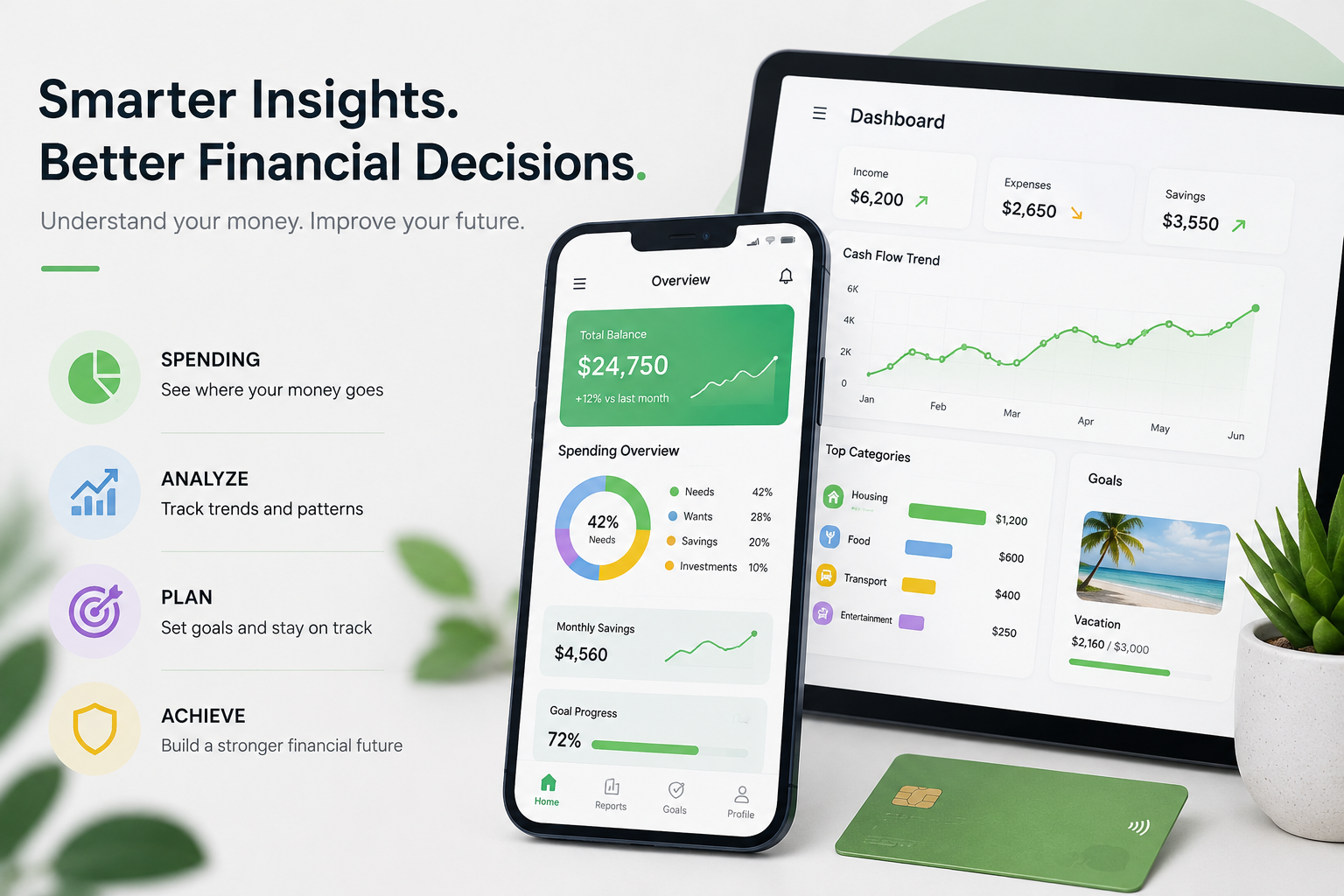
For years, digital banking focused primarily on speed, convenience, and security. While these remain essential, a new trend is reshaping financial technology: behavioral banking insights. Instead of simply recording transactions, modern financial platforms now help users understand why they spend, save, and invest the way they do.
By combining transaction history, budgeting data, and behavioral analysis, financial institutions are transforming banking into an intelligent financial coaching experience. Rather than reacting to financial problems after they occur, users receive timely insights that encourage healthier financial habits before issues develop.
Banking Is Becoming More Personalized
Every customer has different financial priorities. Some are focused on paying off debt, while others aim to build investments or increase emergency savings. Behavioral banking platforms recognize these differences and provide recommendations based on individual financial patterns instead of generic advice.
Instead of showing the same dashboard to everyone, platforms adjust spending summaries, savings recommendations, and financial alerts according to each customer’s behavior.
Understanding Spending Habits
One of the biggest advantages of behavioral insights is identifying recurring financial habits.
Modern platforms can recognize patterns such as:
- frequent impulse purchases;
- increasing subscription expenses;
- seasonal spending spikes;
- declining savings rates;
- unusually high discretionary spending.
These observations allow users to understand where money goes each month without manually reviewing hundreds of transactions.
Encouraging Better Financial Decisions
Behavioral insights are designed to guide rather than criticize.
Examples include:
- suggesting a larger savings contribution after receiving a salary increase;
- recommending debt repayment when cash reserves exceed targets;
- highlighting unnecessary recurring expenses;
- notifying users when spending differs significantly from previous months;
- recognizing positive financial milestones.
These small interventions help customers make gradual improvements over time.
Financial Education Through Everyday Banking
Traditional financial education often feels disconnected from daily life. Behavioral banking changes this by delivering learning opportunities directly within the banking experience.
Rather than reading lengthy articles about budgeting, users receive contextual explanations based on their own financial activity. For example, after a month of increased restaurant spending, an app may explain how reducing discretionary expenses could accelerate savings goals.
Supporting Long-Term Financial Confidence
Behavioral analysis is not only useful for budgeting. Investment platforms increasingly use similar principles to encourage long-term thinking during periods of market volatility.
Instead of encouraging emotional reactions, platforms provide historical context, portfolio progress, and educational insights that help investors stay focused on their long-term objectives. This creates greater confidence while reducing emotionally driven financial decisions.
Privacy Remains Essential
As behavioral analysis becomes more advanced, protecting customer data remains critical.
Leading financial institutions continue investing in:
- encrypted data processing;
- transparent privacy controls;
- customer consent management;
- secure identity verification;
- responsible AI governance.
Trust remains the foundation of every successful digital financial platform.
Looking Ahead
Behavioral banking insights represent the next stage of digital finance. Rather than functioning solely as payment platforms, banks are evolving into intelligent financial partners that help customers understand their habits, improve decision-making, and build stronger long-term financial health.
As artificial intelligence, predictive analytics, and personalized financial guidance continue advancing, behavioral insights will become one of the defining features of modern banking experiences throughout the remainder of the decade.
