
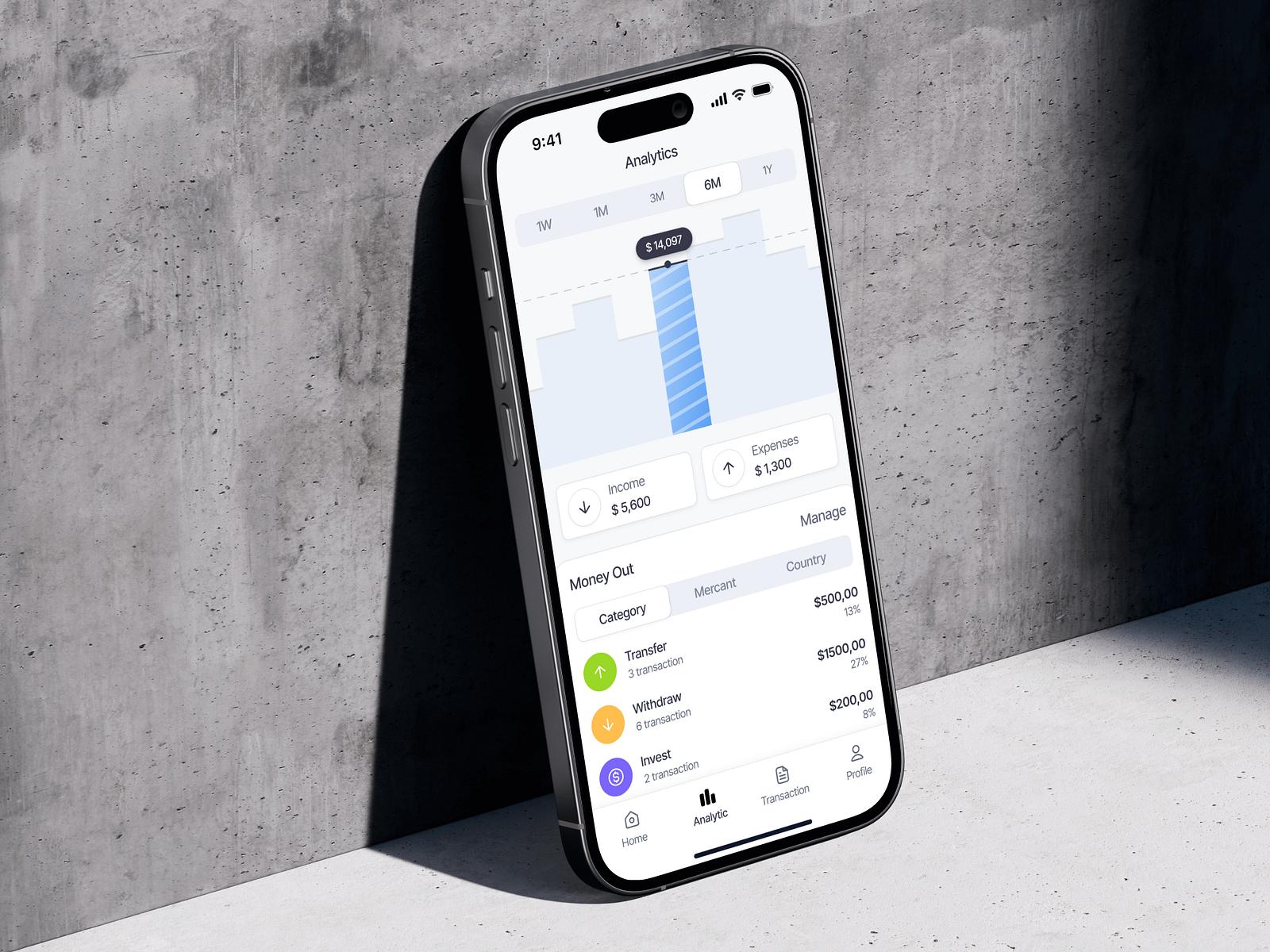
Digital banking has evolved far beyond displaying account balances and transaction lists. Modern users expect banking apps to provide meaningful financial insights, intuitive navigation, and tools that simplify money management. One feature gaining significant momentum is the financial timeline view—a chronological interface that organizes financial activity into an easy-to-follow story rather than a simple list of transactions.
By presenting payments, deposits, transfers, subscriptions, and upcoming bills within a unified timeline, banking apps help users better understand their financial behavior and make more informed decisions.
What Is a Financial Timeline View?
A financial timeline is a visual chronological record of financial activity. Instead of separating information into multiple sections, the app presents important events in the order they occur.
Typical events displayed include:
- Card purchases
- Salary deposits
- Scheduled payments
- Loan repayments
- Subscription renewals
- Savings contributions
- Investment transactions
- Cashback rewards
Users can quickly review what has happened, what is happening now, and what is scheduled to happen next.
Why Traditional Transaction Lists Are No Longer Enough
Conventional banking apps usually display transactions as static lists sorted by date. While functional, these lists often fail to provide context. A timeline organizes activity into a financial journey, making it easier to identify patterns and understand how different transactions relate to one another. For example, users can immediately see how a salary deposit is followed by recurring bills, savings transfers, and discretionary spending.
Making Financial Activity Easier to Understand
Visual organization reduces cognitive effort. Instead of scanning long transaction histories, users can recognize important financial events almost instantly.
Benefits include:
- Clear chronological organization
- Better understanding of spending habits
- Faster transaction review
- Easier identification of recurring payments
- Improved awareness of upcoming financial obligations
These improvements create a more intuitive banking experience for users of all experience levels.
Supporting Better Financial Planning
Timeline views are not limited to past transactions. Many banking apps are beginning to combine historical data with future financial events.
Examples include:
| Timeline Event | User Benefit |
|---|---|
| Upcoming salary | Better budgeting |
| Scheduled utility bill | Avoid missed payments |
| Credit card due date | Reduce late fees |
| Savings transfer | Track financial goals |
| Investment contribution | Monitor long-term planning |
Displaying future events alongside completed transactions helps users prepare for upcoming financial commitments.
Improving Mobile Banking Experiences
Since most digital banking takes place on smartphones, interfaces must communicate large amounts of information without overwhelming the user. Timeline views work particularly well on mobile devices because users naturally scroll vertically through information.
This allows banking apps to present:
- Recent activity
- Pending transactions
- Upcoming payments
- Financial reminders
- Spending milestones
All within one continuous interface.
Helping Users Identify Spending Patterns
Financial timelines also make it easier to recognize personal spending behavior.
Rather than examining individual purchases, users can quickly identify:
- Weekly spending cycles
- Subscription renewal dates
- Salary-to-expense ratios
- Seasonal expenses
- Large one-time purchases
Recognizing these patterns supports smarter budgeting and long-term financial planning.
Integrating Smart Insights
Many modern banking platforms are combining timeline views with intelligent financial insights.
Examples include:
- Spending summaries after salary deposits
- Notifications about unusual transactions
- Monthly expense comparisons
- Cash flow trends
- Personalized budgeting suggestions
These insights appear naturally within the timeline instead of requiring users to open separate reports.
Strengthening User Engagement
Financial timelines encourage users to interact with banking apps more frequently. Instead of checking only account balances, customers explore their financial history, upcoming events, and personalized insights.
This leads to:
- Longer app sessions
- Greater financial awareness
- Improved budgeting habits
- Higher user satisfaction
For financial institutions, better engagement often translates into stronger customer loyalty.
Future Developments
As artificial intelligence and predictive analytics continue to evolve, financial timelines are expected to become even more dynamic.
Future banking apps may include:
- Predictive cash flow events
- Personalized financial milestones
- AI-generated spending explanations
- Interactive financial planning tools
- Context-aware savings recommendations
Rather than simply recording transactions, timelines will become intelligent financial assistants that help users anticipate and prepare for future events.
Conclusion
Financial timeline views are becoming an essential feature of modern banking apps because they transform complex financial data into a clear, chronological experience. By combining historical transactions, current activity, and future financial events within a single interface, these timelines improve budgeting, increase financial awareness, and simplify everyday money management. As digital banking continues to prioritize usability and personalization, timeline-based interfaces are likely to become a standard component of next-generation financial applications.
