
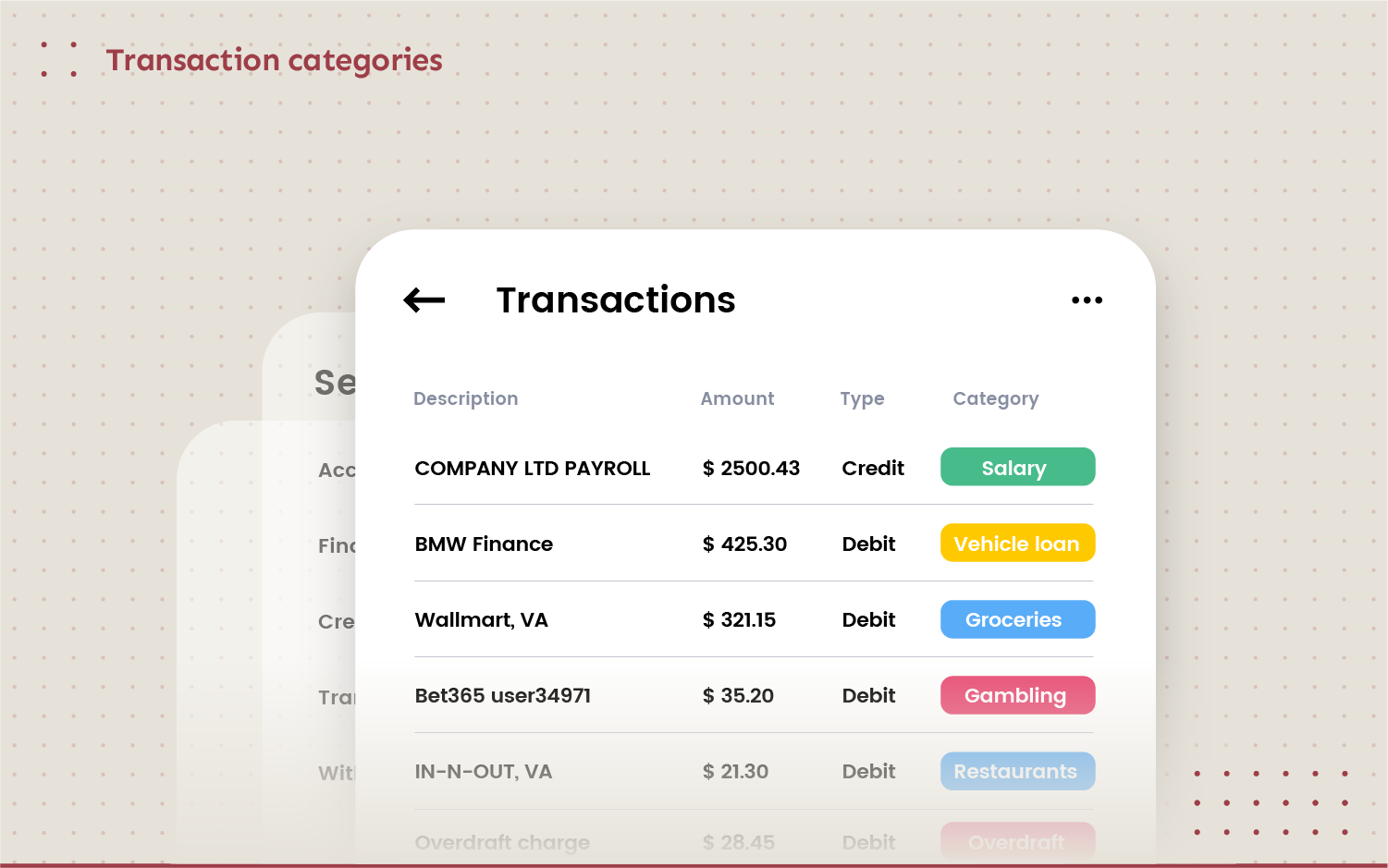
Managing personal finances has become easier thanks to digital banking, but understanding where money actually goes each month can still be challenging. Long lists of transactions often provide little context, making it difficult to identify spending habits or discover opportunities to save. To solve this problem, many banking apps now use personalized transaction categorization.
Rather than showing only merchant names and payment amounts, modern financial platforms automatically organize purchases into meaningful categories. Combined with intelligent personalization, these systems provide a much clearer picture of spending behavior and help users make better financial decisions.
What Is Personalized Transaction Categorization?
Transaction categorization is the process of assigning each payment to a specific spending category. Instead of manually organizing expenses, banking apps use automated systems to classify transactions based on merchant information, payment history, and user preferences.
Common categories include:
- Groceries
- Restaurants
- Transportation
- Entertainment
- Shopping
- Utilities
- Healthcare
- Travel
- Education
- Savings
Many platforms also allow users to customize these categories or create their own labels for greater flexibility.
Why Generic Categories Are No Longer Enough
Traditional expense tracking often relies on broad categories that do not reflect individual lifestyles. For example, two users may shop at the same retailer for completely different purposes—one purchasing groceries and another buying home electronics.
Personalized categorization improves accuracy by learning from user behavior over time. This creates financial reports that are more relevant and useful for everyday budgeting.
Making Spending Easier to Understand
When expenses are grouped logically, users no longer need to review every transaction individually.
Instead, they can immediately answer questions such as:
- Where did most of my money go this month?
- How much did I spend on dining out?
- Have my transportation costs increased?
- Am I spending more on subscriptions than expected?
- Which categories have changed compared to last month?
This higher level of visibility supports smarter financial decisions.
Benefits for Budgeting
Categorized transactions make budgeting significantly easier because users can compare planned spending with actual spending across different areas of their finances.
Some of the biggest advantages include:
- Faster monthly budget reviews
- Better expense tracking
- Easier identification of unnecessary spending
- More realistic financial planning
- Improved savings management
Rather than relying on estimates, users work with accurate financial data.
Personalized Insights
Modern banking apps increasingly combine categorization with intelligent analytics.
Examples include:
| Personalized Insight | Benefit |
|---|---|
| Dining expenses increased | Review discretionary spending |
| Lower transportation costs | Opportunity to increase savings |
| New recurring subscription detected | Evaluate ongoing expenses |
| Shopping spending exceeds average | Adjust monthly budget |
| Savings contributions improved | Monitor financial progress |
These insights transform raw transaction data into practical financial guidance.
Improving Financial Awareness
One of the greatest advantages of personalized categorization is increased awareness. Many users underestimate certain types of spending because small purchases accumulate gradually over time.
Clear category summaries help reveal patterns such as:
- Frequent coffee purchases
- Growing entertainment expenses
- Rising food delivery costs
- Seasonal shopping habits
- Unexpected subscription renewals
Recognizing these trends makes it easier to adjust financial behavior before overspending becomes a problem.
Enhancing Mobile Banking
Since most banking activity now takes place on smartphones, personalized categories improve navigation and reduce the effort required to understand account activity. Instead of scrolling through hundreds of transactions, users can filter expenses by category, merchant, or time period within seconds.
Popular mobile features include:
- Color-coded spending categories
- Interactive spending charts
- Monthly category summaries
- Searchable transaction history
- Custom spending labels
These tools provide a cleaner and more intuitive banking experience.
Supporting Long-Term Financial Goals
Transaction categorization is valuable not only for everyday budgeting but also for long-term planning. Users can monitor how their spending habits change over time and evaluate progress toward goals such as:
- Building emergency savings
- Reducing discretionary spending
- Paying off debt
- Increasing investment contributions
- Managing household expenses
Historical category data makes financial planning more accurate and measurable.
Future Developments
Artificial intelligence is expected to make transaction categorization even more personalized in the coming years. Future banking platforms may automatically recognize changing spending patterns, recommend category adjustments, and generate customized financial reports based on individual goals and lifestyles. Rather than simply organizing transactions, these systems will increasingly help users understand the financial choices behind every purchase.
Conclusion
Personalized transaction categorization is becoming an essential feature of modern banking apps because it transforms complex transaction histories into meaningful financial insights. By automatically organizing expenses into relevant categories and delivering personalized analysis, banking platforms help users understand spending habits, improve budgeting, and make more informed financial decisions. As digital banking continues to evolve, intelligent categorization will play an increasingly important role in supporting everyday money management.
