
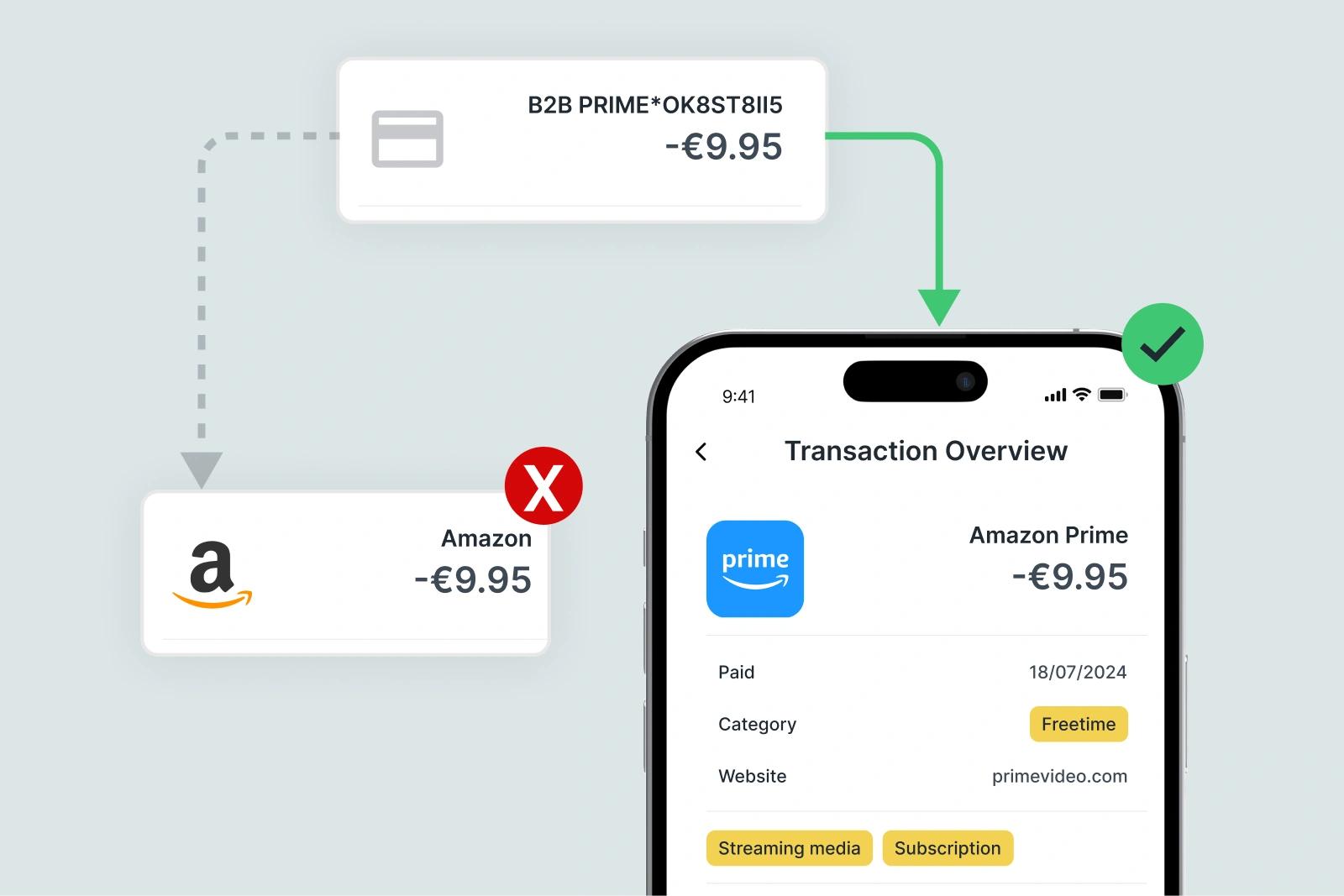
A transaction list should be one of the simplest parts of a banking app, yet it can quickly become confusing when payments appear under unfamiliar legal names, processor codes, abbreviated merchant references, or parent-company names. A customer may clearly remember buying lunch from a local café but later see a transaction that looks completely unrelated to the name on the storefront. Modern banking apps are increasingly trying to solve this problem by improving merchant recognition and adding more context around individual purchases.
The goal is not simply to make transaction feeds look cleaner. Better merchant identification can reduce uncertainty, make budgeting easier, and help customers distinguish legitimate spending from transactions that may need closer attention.
Merchant Names Are Often Less Clear Than Customers Expect
The name shown on a receipt is not always the same name that reaches a bank through the payment network. Businesses may process transactions through a parent company, payment provider, franchise operator, or registered legal entity. This can create descriptions that are technically correct but almost meaningless to the person checking their account.
Traditional banking systems often displayed these raw descriptors with little explanation. That approach worked when transaction history was mainly used for record keeping, but mobile banking has changed expectations. People now check purchases moments after making them and expect the information to resemble what they saw at the point of sale. As a result, transaction feeds are gradually moving from technical records toward more understandable purchase histories.
Banking Apps Are Adding More Context Around Purchases
Merchant recognition can involve much more than replacing an obscure transaction label with a familiar business name. A modern transaction screen may also display a merchant logo, business category, approximate location, purchase date, payment method, and additional details about how the transaction was processed.
This contextual information helps users reconstruct a purchase without having to search emails, receipts, or map history. A transaction that initially seems unfamiliar can become obvious once the app shows that it occurred at a particular restaurant, petrol station, supermarket, or online service.
Location information can be particularly useful when a merchant operates under several trading names or when the payment descriptor contains little recognizable information. Even a simple category label such as “Groceries” or “Transport” can provide an important clue.
Clearer Merchant Data Can Reduce False Fraud Alarms
Unrecognized transactions are one of the most common reasons people become concerned about possible card misuse. In many cases, however, the transaction is legitimate and only the merchant descriptor is confusing.
Improved merchant recognition gives customers more information before they decide to freeze a card, report a payment, or start a dispute. Showing a recognizable store name and location can immediately resolve uncertainty that might otherwise lead to unnecessary support requests.
This does not replace fraud detection or transaction dispute tools. Instead, it improves the first stage of the process by helping users understand what they are looking at. A person can make a more informed decision before escalating the issue.
Better Merchant Recognition Also Improves Spending Analysis
Transaction categorization depends heavily on understanding who received the payment. If merchant information is inaccurate or incomplete, spending analytics can become less useful. A payment processor serving several unrelated businesses may cause different purchases to appear under the same generic description. Once banking systems identify the actual merchant behind each transaction, they can categorize spending more accurately and create clearer summaries.
This has a direct effect on budgeting features. Monthly reports become more useful when restaurant purchases consistently appear under dining, fuel stations under transport, and subscription services under recurring expenses rather than being placed in broad or incorrect categories. For users who rely on banking apps as everyday money-management tools, small improvements in transaction data can therefore affect much more than the transaction feed itself.
Online Purchases Make the Problem More Complex
Digital commerce has made merchant identification even more complicated. Customers increasingly pay through marketplaces, app stores, payment gateways, delivery platforms, and subscription intermediaries. The company processing a payment may not be the same company that supplied the product or service.
A useful banking interface therefore has to interpret several layers of information rather than simply display the payment-network descriptor. Some transactions may need to show both the recognizable merchant and the payment intermediary to avoid creating a different kind of confusion.
For example, knowing that a payment was processed through a digital marketplace can be useful, but customers may still want to identify the actual subscription, retailer, or service behind the charge. This creates an opportunity for banking apps to provide richer transaction details instead of relying on a single text label.
Search Is Becoming More Useful as Transaction Data Improves
Accurate merchant recognition also makes transaction search significantly more practical. Searching for an old payment is difficult when the customer remembers the store name but the account statement contains an unrelated corporate descriptor.
Once banking apps connect payments with recognizable merchant identities, users can search naturally by store, category, location, or transaction type. This is particularly helpful when looking for an old purchase needed for a warranty claim, return, expense report, or personal budget review. Better search may appear to be a separate banking feature, but its usefulness depends heavily on the quality of the underlying transaction information.
There Is Still a Risk of Incorrect Identification
Merchant enrichment is not perfect. Businesses change names, locations can be inaccurate, processors may serve multiple sellers, and marketplace transactions can be difficult to attribute correctly. An app that confidently displays the wrong merchant could create more confusion rather than less.
For that reason, financial platforms need to distinguish between confirmed transaction information and enriched data added for convenience. Users should still be able to view the original payment descriptor when necessary, especially if they are investigating a transaction or preparing a dispute.
The strongest approach is not to hide technical information but to organize it better: a recognizable merchant name on the main screen with more detailed payment data available underneath.
Transaction History Is Becoming a Product Experience
Banking apps once treated transaction history as a static ledger. That is changing as customers increasingly expect each payment to contain enough information to understand what happened without leaving the app.
Merchant recognition is part of that broader shift. A transaction is no longer just an amount, date, and cryptic descriptor. It can become a small information card explaining where the money went, what type of purchase occurred, and how the payment fits into the user’s wider financial activity.
That may seem like a minor interface improvement, but it addresses one of the most frequent moments of uncertainty in everyday banking. As digital payments become more fragmented across stores, apps, marketplaces, and intermediaries, making transactions understandable may become just as important as making them fast.
