
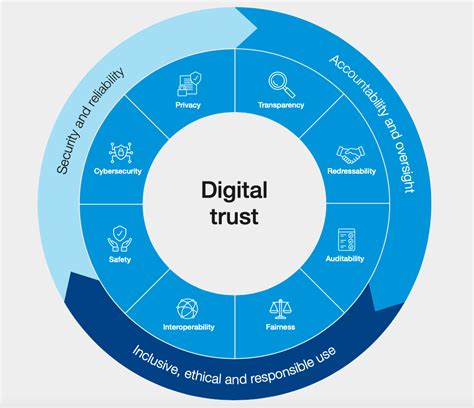
A digital transaction is only as reliable as the systems that establish who is involved, whether a document has been altered and whether an electronic approval can be trusted. For fintech companies, banks and online businesses, these questions are becoming increasingly important as more commercial activity moves away from paper-based processes and face-to-face verification.
Zambia has recently taken a significant step in this direction with the launch of its National Public Key Infrastructure (NPKI), followed by consultations on proposed amendments to its Electronic Communications and Transactions Act. Together, these developments highlight a challenge facing digital economies across Africa: building the legal and technical foundations that allow electronic transactions to be used with confidence, not merely convenience.
Zambia’s Digital Trust Initiative Explained
On 7 October 2026, Zambia’s Ministry of Technology and Science announced the launch of the country’s National Public Key Infrastructure, building on a production key ceremony held by the Zambia Information and Communications Technology Authority (ZICTA) in September. The framework is intended to support the verification of digital identities, authentication of electronic documents and signatures, and protection of online transactions against impersonation and unauthorised alteration. ZICTA has a central role in the system as the National Root Certification Authority, providing the foundation on which trusted digital certificate services can operate.
The distinction between digital trust infrastructure and a consumer-facing financial product is important. NPKI is not a banking application, a payment network or a national biometric database; it is a technical foundation that other systems can use to establish whether a digital credential or signature can be trusted. Its value will therefore depend on how effectively public institutions, financial service providers and businesses incorporate the framework into their actual workflows.
For a fintech company, the potential applications extend beyond signing contracts online. Trusted electronic credentials can support supplier onboarding, corporate account administration, document approvals and interactions with public authorities, provided the relevant services adopt compatible systems and applicable legal requirements are satisfied. The infrastructure creates an opportunity, but widespread use will require further implementation work.
How Public Key Infrastructure Builds Confidence
Public Key Infrastructure, commonly known as PKI, uses cryptographic keys and digital certificates to help verify electronic interactions. A private key is used to create a digital signature, while the corresponding public key enables another party to verify that signature. A certificate links the public key to an identified person, organisation or service, subject to the relevant identity checks and certificate policies.
When implemented correctly, this arrangement can help establish whether a signature corresponds to a particular certificate and whether a signed document has changed since it was signed. Certificate status also matters because a credential may expire or be revoked, and a verifier must be able to establish whether it remains trustworthy at the relevant time.
These controls address several weaknesses of conventional digital workflows. An email containing a scanned signature, for example, may be difficult to verify independently, while a digitally signed document can provide technical evidence that supports authentication and integrity checks. However, cryptographic verification does not establish that every statement in a document is true, that the signer understood every contractual term or that the underlying transaction is lawful. Those questions still depend on business processes, legal rules and the circumstances of the agreement.
Why the Electronic Transactions Law Is Being Reviewed
The launch of new infrastructure does not automatically resolve every regulatory question surrounding its use. On 30 September 2026, Zambia’s Ministry of Technology and Science reported consultations on reviewing the Electronic Communications and Transactions Act No. 4 of 2021, which provides a legal framework for electronic transactions, electronic signatures and the national public key infrastructure. The consultation identified implementation challenges involving the licensing of certification and timestamping service providers, including a regulatory dependency that has made parts of the licensing framework difficult to operationalise.
The proposed changes aim to clarify certification-service requirements, streamline licensing, strengthen provisions relating to electronic signatures and provide clearer mechanisms for handling appeals. These are practical issues because a trust system must establish not only how digital certificates are created and verified, but also who is authorised to issue them, which standards apply and how disputes can be addressed.
For businesses, regulatory clarity can influence whether a digital workflow is suitable for high-value agreements, customer onboarding or official submissions. If requirements are unclear or certification services cannot operate efficiently, organisations may hesitate to replace paper documents with electronic alternatives. Conversely, a transparent framework can help technology providers develop services with a better understanding of their responsibilities and the conditions under which their products can be used.
The proposed amendments should not, however, be treated as legislation that is already in force. The ministry has described a review and consultation process; businesses should monitor official announcements for the status and final wording of any amendments before changing their compliance procedures.
What the Changes Could Mean for Fintech Companies
The combination of a national trust framework and a clearer regulatory regime could make electronic business processes easier to design and manage. For financial institutions, digital signatures may support internal approvals, supplier contracts and selected customer-facing processes, while verified credentials can strengthen confidence in communications between organisations. For smaller fintech providers, a recognised framework may also create opportunities to build services around document verification, secure signing and digital workflow management.
The benefits will depend on the extent to which participating institutions integrate these capabilities into their operations. A certificate is of limited practical value if a receiving organisation cannot verify it, employees do not understand the process or a digital document must still be printed to complete the transaction. Interoperability and institutional adoption are therefore just as important as the underlying cryptography.
| Business area | Potential benefit | What must be addressed |
|---|---|---|
| Contract management | More reliable electronic signing and document integrity checks | Legal validity, identity verification and record retention |
| Customer onboarding | Stronger evidence supporting digital authentication | Data protection, accessibility and appropriate verification standards |
| Supplier relationships | Faster approval of documents and agreements | Compatibility between organisations and clear responsibilities |
| Government services | Fewer paper-based submissions and administrative steps | Adoption by agencies and reliable service availability |
| Compliance operations | Better evidence of approval and document integrity | Audit trails, certificate status and documented procedures |
These are potential applications rather than guarantees of immediate change. Each organisation will need to determine which transactions are suitable for electronic signing and whether additional legal, regulatory or sector-specific requirements apply.
The Operational Risks That Remain
Digital trust infrastructure can reduce certain risks, but it does not eliminate cybersecurity threats. Compromised private keys, weak identity checks, poor access controls and inadequate certificate management can undermine the reliability of an otherwise well-designed system. Businesses must also consider what happens when a certificate expires, a signing key is suspected of being compromised or a provider becomes unavailable.
A practical implementation plan should therefore address the entire lifecycle of a digital credential. This includes secure key storage, identity verification before certificate issuance, procedures for revocation, monitoring of certificate validity and clear processes for responding to suspected compromise. Organisations should also define who is authorised to approve transactions, retain evidence of completed agreements and ensure that staff understand how to verify documents rather than relying solely on visual indicators.
Data protection deserves equal attention. Digital signatures and certificates can involve personal or commercially sensitive information, so organisations must establish what data they collect, why it is necessary, who can access it and how long it should be retained. Strong cryptography cannot compensate for careless data handling or excessive access permissions.
Adoption Will Determine the Real Impact
The next challenge for Zambia is to move from establishing a national trust framework to making it useful across everyday commercial and public-sector activity. The Ministry of Technology and Science has emphasised the importance of reliable connectivity, secure infrastructure, technical skills, sustainable resources and coordination between public institutions. It has also stressed that digital transformation requires organisations to be ready to adopt and use the technology rather than treating the launch itself as the final achievement.
For fintech companies, this creates both an opportunity and a responsibility. Providers that build compatible services, explain their security practices clearly and help customers understand electronic signing could contribute to broader adoption. At the same time, they will need to keep pace with regulatory developments and avoid presenting a digitally signed document as automatically valid in every context.
The wider lesson is that digital finance depends on more than payment speed or sophisticated applications. Trust must be supported by verifiable credentials, enforceable rules, dependable infrastructure and organisations that know how to use them correctly. Zambia’s NPKI launch and the ongoing review of its electronic transactions legislation represent important steps towards that foundation, but the lasting result will be measured by whether businesses and citizens can use digital services with greater confidence and fewer unnecessary barriers.
Conclusion
Zambia’s new National Public Key Infrastructure provides a technical foundation for verifying digital certificates, electronic signatures and the integrity of online transactions, while the proposed review of the Electronic Communications and Transactions Act seeks to address regulatory challenges that could affect its implementation. For fintech businesses, these developments are worth following because they may influence how electronic agreements, identity verification and secure digital workflows are implemented across the economy.
The immediate priority is not to assume that every service will become paperless overnight, but to understand the framework, monitor the legal changes and identify processes where trusted electronic documents can deliver measurable value. If regulatory clarity is matched by practical adoption, technical expertise and strong operational controls, digital trust can become a useful foundation for more efficient financial and commercial services.
