
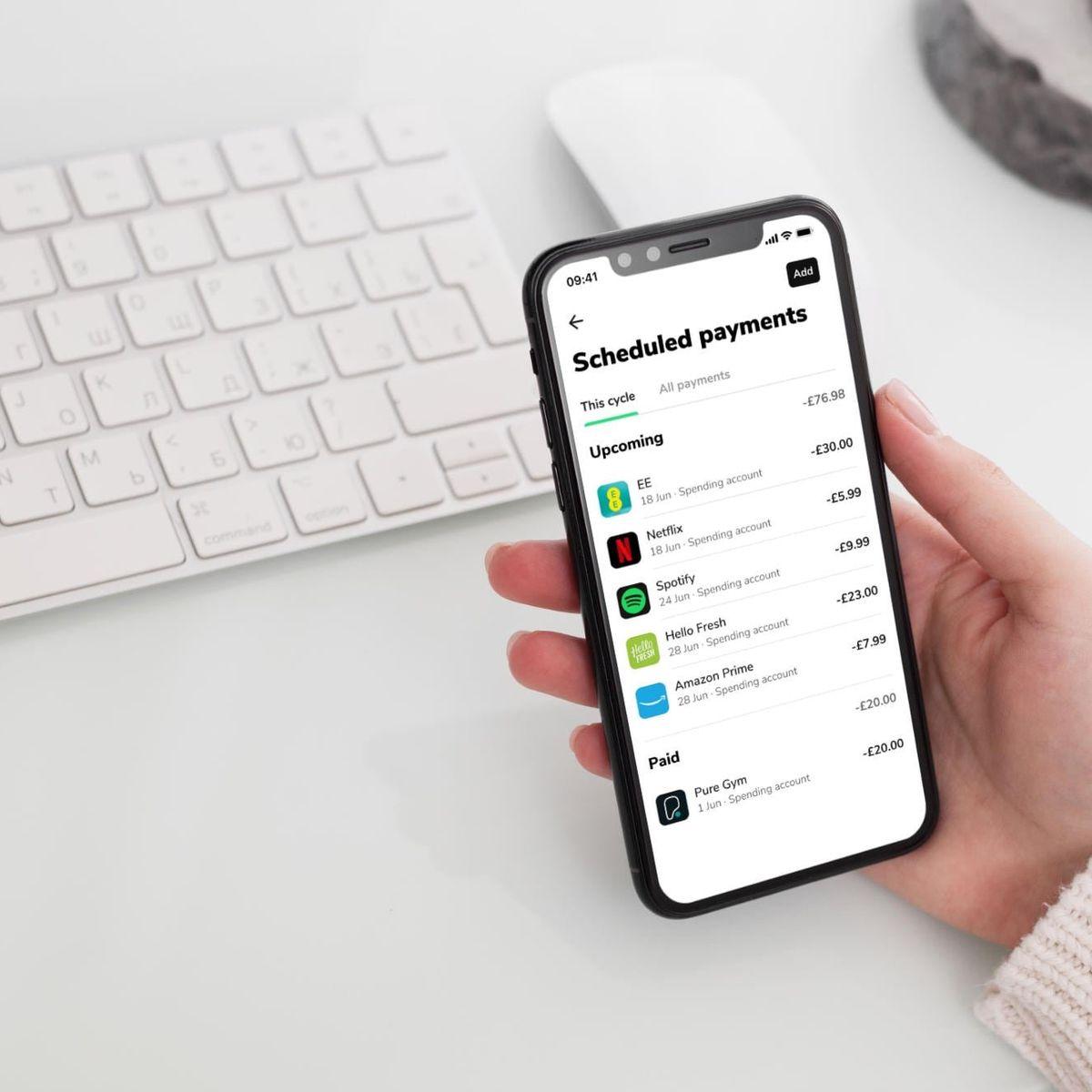
Digital banking has spent years making payments faster, but speed is no longer the only thing users care about. A growing number of banking apps are now focusing on smarter payment scheduling, giving customers more control over when bills, transfers and recurring payments leave their accounts.
This shift reflects a simple change in user expectations. People do not just want to send money instantly. They also want to plan around payday, avoid accidental overdrafts, move bills to more convenient dates and understand how upcoming payments will affect the rest of the month. Smarter scheduling turns a basic transfer function into a practical cash-flow tool.
Payment timing is becoming part of money management
Traditional scheduled payments are relatively rigid. A user selects a date, confirms the amount and waits for the transaction to happen. Newer banking tools are beginning to add more flexibility around that process by showing upcoming obligations, suggesting suitable payment dates and warning users when several large payments are clustered together.
For many customers, this matters more than another dashboard or spending chart. Timing has a direct impact on whether an account feels comfortable or stretched. Someone may have enough income to cover every monthly expense but still face problems if several payments leave the account a few days before salary arrives.
That is why payment scheduling is becoming closely linked with broader personal finance features. Instead of treating each transaction as an isolated event, digital banking platforms can place it within the user’s monthly financial pattern.
What smarter scheduling can include
The exact feature set differs between banks and fintech apps, but the broader direction is clear. Platforms are gradually moving away from simple calendar-based scheduling toward more context-aware payment controls.
Common features can include:
- scheduled one-time bank transfers;
- recurring payment controls;
- reminders before a payment is processed;
- flexible bill dates where supported;
- warnings about low projected balances;
- automatic identification of upcoming recurring expenses;
- options to pause, move or cancel future transfers;
- suggested payment dates based on expected account activity.
These tools give users more opportunities to intervene before a payment causes a problem rather than receiving an alert after the balance has already dropped.
Why projected balances matter
One of the most useful additions to payment scheduling is the projected balance. Instead of only showing the money available today, a banking app can estimate how the balance may look after known payments are deducted.
A basic forecast might look like this:
| Current account activity | Example impact |
|---|---|
| Current balance | $1,850 |
| Rent due | -$900 |
| Utility payment | -$140 |
| Salary expected | +$2,200 |
| Subscription payments | -$75 |
| Projected balance after scheduled activity | $2,935 |
The value of this type of view is not the calculation itself. Users could theoretically work it out manually. The advantage is that the information appears at the moment when a payment decision is being made.
If a customer sees that moving a non-urgent transfer by three days would preserve a healthier balance until salary arrives, the scheduling feature becomes more useful than a standard reminder.
Smarter payments can reduce avoidable mistakes
Many everyday banking problems are not caused by a lack of money but by poor timing. A user may forget that an annual subscription is due, schedule two large transfers too close together or assume that a salary payment will arrive before a bill is processed.
A well-designed scheduling system can reduce these situations by making future account activity visible. It can also help users spot duplicate obligations or unusually busy payment periods before they happen.
This gives digital banks another way to improve customer experience without introducing an entirely new financial product. Better use of existing transaction data can often create more practical value than adding another standalone feature.
Recurring payments are getting more attention
Recurring payments have traditionally been one of the least visible parts of personal banking. Customers often set them once and only think about them again when something goes wrong.
Modern apps are increasingly treating recurring transactions as an active part of account management. Users may be able to see which payments are scheduled, how often they occur, when the next charge is expected and how those charges compare with previous months.
A useful recurring-payment dashboard could include:
| Feature | Why it helps |
|---|---|
| Next payment date | Makes upcoming charges easier to anticipate |
| Frequency | Shows whether the payment is weekly, monthly or annual |
| Previous amount | Helps identify price increases |
| Pause option | Gives users more immediate control |
| Payment reminder | Reduces unexpected deductions |
| Balance forecast | Shows the likely effect on available funds |
This type of visibility is especially useful for households managing many small recurring expenses, where individual charges may seem insignificant but create a noticeable combined impact.
Scheduling also supports irregular income
Payment timing tools can be particularly valuable for people whose income does not arrive on a fixed monthly date. Freelancers, contractors, gig workers and small business owners often manage more irregular cash flow than salaried employees.
For these users, a rigid payment calendar may not reflect how money actually enters the account. Flexible scheduling allows them to align outgoing payments more closely with incoming funds.
The same logic applies to users who receive income weekly, fortnightly or from multiple sources. A banking app that understands upcoming inflows and outflows can make the account easier to manage without forcing the customer to maintain a separate spreadsheet.
The difference between automation and control
Automation is often presented as the future of banking, but users do not always want the bank to make every decision automatically. In many cases, the better approach is assisted control.
That means the app can identify a potential issue, explain it clearly and allow the customer to choose what happens next. For example, it might say that three scheduled payments will reduce the projected balance below a chosen threshold and offer the option to move one eligible transfer.
This model keeps the customer in control while still using automation to reduce manual work. It also makes financial guidance feel less intrusive because the system is supporting a decision rather than making one silently.
Why banks are investing in this area
Smarter payment scheduling can improve several parts of the customer relationship at once. It can make the app more useful, increase engagement with everyday banking tools and reduce frustration caused by missed or poorly timed payments.
For financial institutions, the feature also creates an opportunity to shift from transaction processing toward ongoing money management. The bank is no longer simply moving funds from one place to another. It is helping users understand when those movements should happen.
This distinction is becoming increasingly important as many banking apps now offer similar core functions. Transfers, cards, transaction history and digital wallets are widely available, so usability and financial context are becoming stronger competitive differentiators.
What users are likely to expect next
Payment scheduling is likely to become more personalized over time. Rather than simply allowing users to pick a date, banking apps may increasingly combine payment history, recurring income and upcoming obligations to suggest more convenient timing.
Future scheduling tools may also become more configurable. Users could set preferences such as keeping a minimum balance, avoiding payments before payday or grouping certain bills into preferred periods of the month.
The most useful systems will probably avoid overcomplicating the experience. Customers do not need dozens of scheduling rules. They need a clear view of what is due, what it will do to their balance and what options are available if the timing is inconvenient.
Final thoughts
Smarter payment scheduling represents a practical evolution of digital banking because it focuses on something users deal with constantly: timing. Fast payments remain important, but greater control over when money leaves an account can be just as valuable.
As banking apps become more proactive, scheduled payments are likely to move from a basic utility into a broader cash-flow management feature. The platforms that make future account activity easier to understand may give users something increasingly valuable in digital finance: fewer surprises and more control.
