
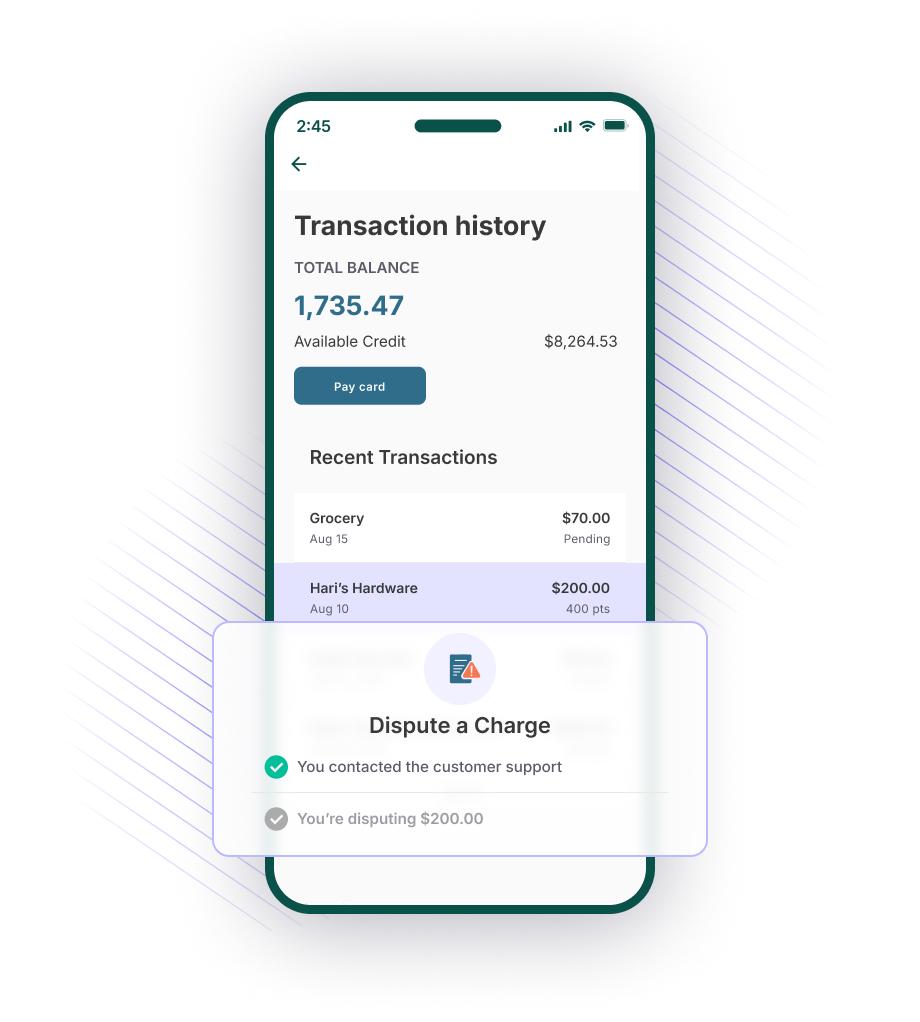
Mobile banking has made checking a balance, freezing a card or sending money almost immediate. Transaction disputes have traditionally remained an exception. A customer could discover an unfamiliar payment in seconds but then spend considerably longer working out what it was, whether it should be challenged and what happened after a dispute was submitted.
That gap is beginning to close. Banks and payment networks are putting more of the dispute journey directly inside digital banking interfaces, from richer transaction information to self-service reporting and status updates.
What Is Changing in the Dispute Experience?
The older model treated a disputed transaction almost like a separate customer-service case. Users might identify a payment in an app, call the bank, repeat transaction details to an agent and later contact support again to find out whether anything had changed.
A newer model keeps more of that process attached to the transaction itself. Instead of displaying only a merchant descriptor and amount, an app can provide additional merchant information, payment context and options for reporting a problem. Once a case has been opened, its progress can remain visible within the same digital environment.
A typical digital dispute journey can include:
- identifying the questionable transaction;
- reviewing merchant and payment information;
- selecting the reason for the dispute;
- providing supporting information;
- checking the status of the case;
- receiving the final decision.
The goal is not simply to make disputes easier to submit. Better-designed systems can also help users recognize legitimate payments before opening unnecessary cases.
Why Better Transaction Information Comes First
An unfamiliar merchant name can make an ordinary purchase look suspicious. The name shown on a statement may use a legal entity, payment processor or shortened descriptor that the customer does not immediately associate with the store where the purchase occurred.
This is why transaction enrichment is becoming closely connected with dispute management. Instead of asking only whether a payment looks familiar, banking apps can provide more context around the transaction.
| Information shown | What it can clarify |
|---|---|
| Merchant trading name | Whether an unfamiliar descriptor belongs to a known business |
| Location | Where the purchase was made |
| Transaction date and time | When the payment occurred |
| Subscription information | Whether the charge is recurring |
| Receipt details | What the customer may have purchased |
| Dispute status | What stage an existing case has reached |
More information does not eliminate fraud, but it helps separate genuinely suspicious activity from payments that only look unfamiliar at first.
Dispute Tracking Reduces the Information Gap
Submitting a dispute is only the beginning of the process. For customers, one of the most frustrating stages can be the period afterward, when the case is being reviewed but little appears to be happening.
Visible dispute tracking changes that. Instead of treating the case as something happening somewhere inside the bank, an app can display stages such as submitted, under review, additional information required or resolved.
This mirrors what users already expect from other digital services. People can track a parcel, loan application or identity-verification process, so a financial dispute increasingly feels outdated when its status remains invisible.
Why Self-Service Does Not Mean Removing Human Support
There is a temptation to treat digital dispute tools purely as a way to reduce customer-service costs. That approach can create another problem if banks automate the easy steps while making complex cases harder to resolve.
The more useful model is selective self-service. Straightforward actions can happen inside the app, while unusual fraud reports, complicated merchant disagreements or cases requiring additional evidence can still move to a specialist.
A forgotten subscription renewal is different from a stolen card, and both are different from a purchase where merchandise never arrived. Digital tools work best when they handle routine information clearly while preserving access to human support when judgment is needed.
The Transaction Screen Is Becoming a Service Hub
This trend also changes the role of transaction history. Traditionally, a banking transaction screen was essentially a ledger showing the merchant, amount, date and balance impact.
Modern banking applications increasingly treat each transaction as an interactive object. Users may be able to view merchant information, manage subscriptions, download receipts, report fraud or begin a dispute from the same screen. That makes the transaction list less of an archive and more of a control center for post-payment activity.
Why Banks Benefit From Clearer Dispute Journeys
Customers are not the only beneficiaries. Poorly understood transactions generate customer-service contacts, unnecessary disputes and additional work for banks and merchants.
Clearer information can resolve some questions before they become formal disputes. Better digital intake can also give the bank structured information before an employee becomes involved.
The main operational benefits can include:
- fewer unnecessary support contacts;
- more consistent dispute information;
- clearer communication with customers;
- better visibility across the case lifecycle;
- faster routing of complex cases to specialists.
Convenience and efficiency are closely connected here. A customer who can understand what is happening without repeatedly contacting the bank also creates less avoidable work for the institution.
What the Next Generation of Banking Apps May Do Differently
Transaction disputes are likely to become less isolated from the rest of digital banking. Payment details, fraud controls, merchant information and case management can increasingly sit inside one connected flow.
The strongest interfaces will probably avoid showing every possible action immediately. Most customers simply want to understand a charge. Only a smaller group needs to start a formal dispute.
A sensible sequence is therefore to provide context first, self-service investigation second and dispute escalation when necessary. This reduces friction without turning every unfamiliar merchant descriptor into a fraud alert.
Transaction dispute tracking may sound like a small banking-app feature, but it reflects a broader shift in digital finance. Banks are moving beyond allowing customers to see what happened to their money. Increasingly, they are expected to explain it, provide tools when something looks wrong and make the resolution process visible from beginning to end.
